

Seating Accessibility That Matters: Proven Tips for Inclusive & Welcoming Dining
Tip 2: Seating Accessibility That Matters
Creating Inclusive and Welcoming Dining Experiences
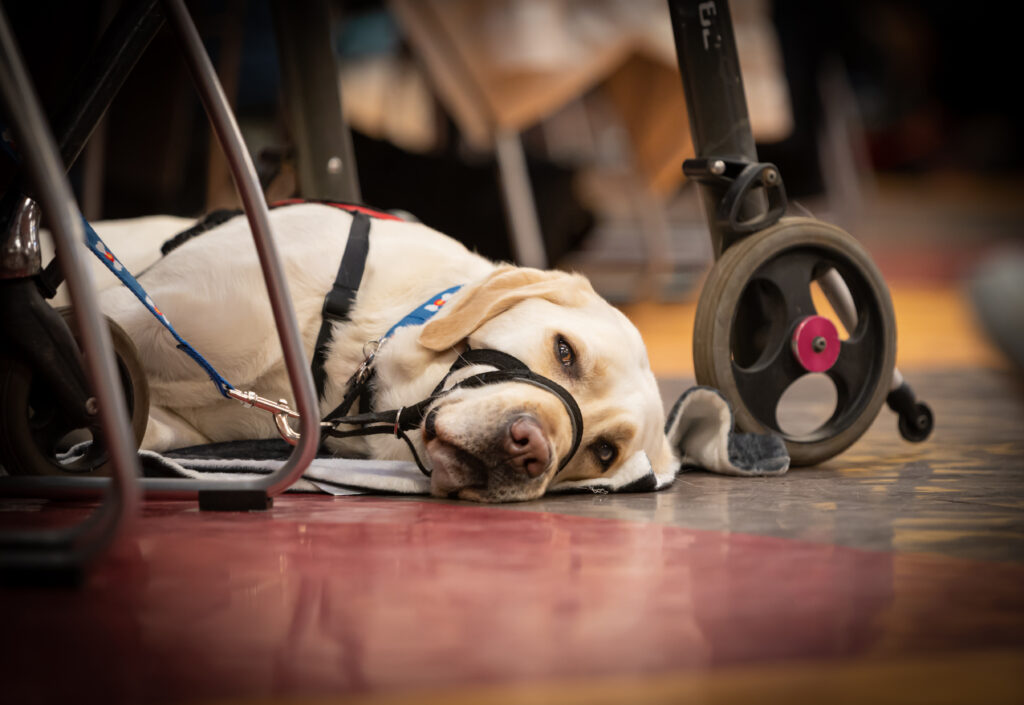
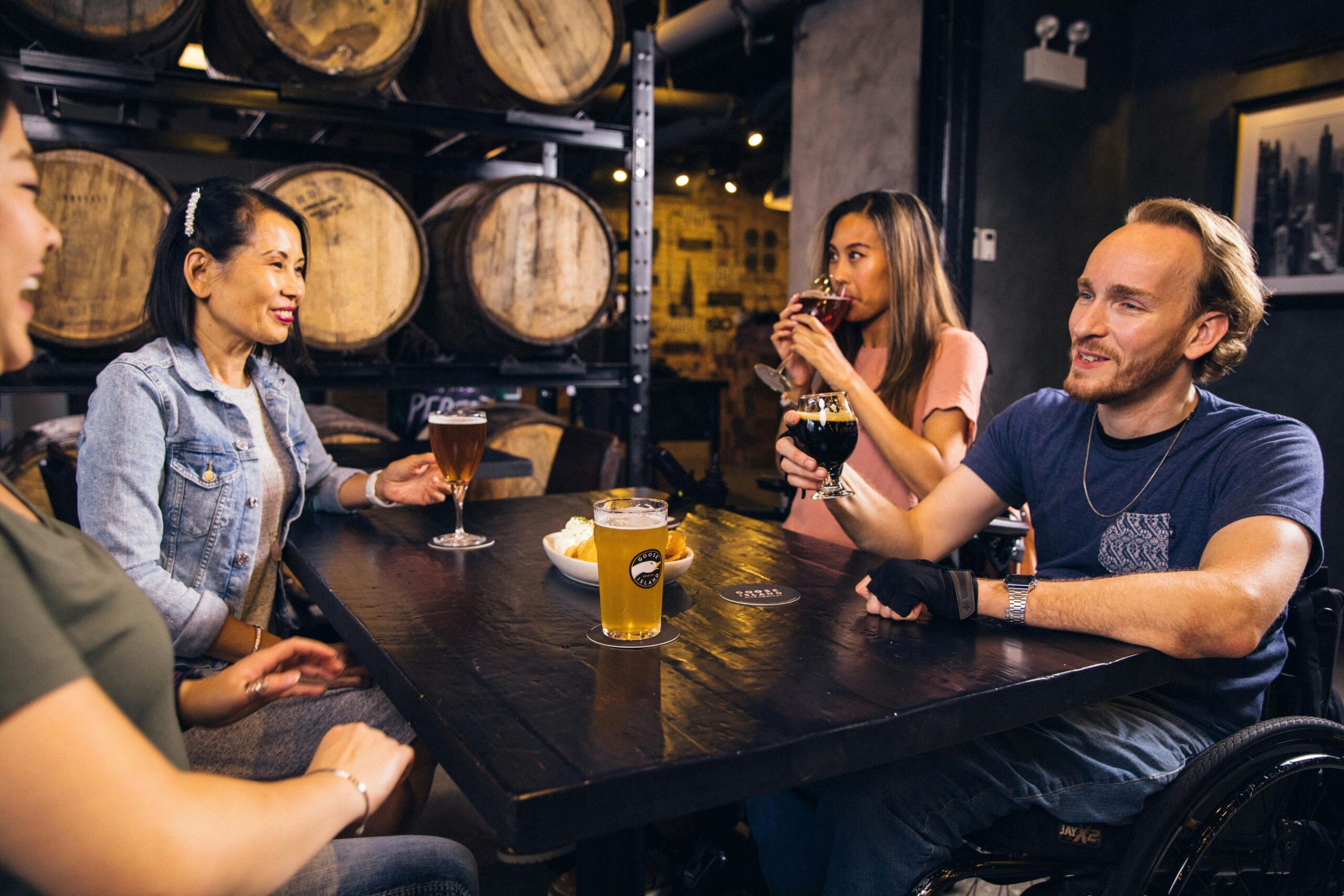
Ensuring that every guest feels welcome begins with thoughtful seating design. Accessible seating is more than a compliance measure—it is a way to support comfort, dignity, and autonomy for diners who use mobility devices, walkers, canes, or service animals.
When restaurants intentionally provide a variety of seating options and clear pathways, they reduce barriers and create a more enjoyable experience for everyone. Simple adjustments, such as using stable armless chairs or reserving table spaces for wheelchair users, can dramatically improve a guest’s comfort and ease of movement.
Accessible seating should always include:
- Stable chairs without arms for guests who prefer more open seating.
- Designated spaces for wheelchair users that do not require rearranging furniture upon arrival.
- Both low- and high-back seating options for different comfort and support needs.
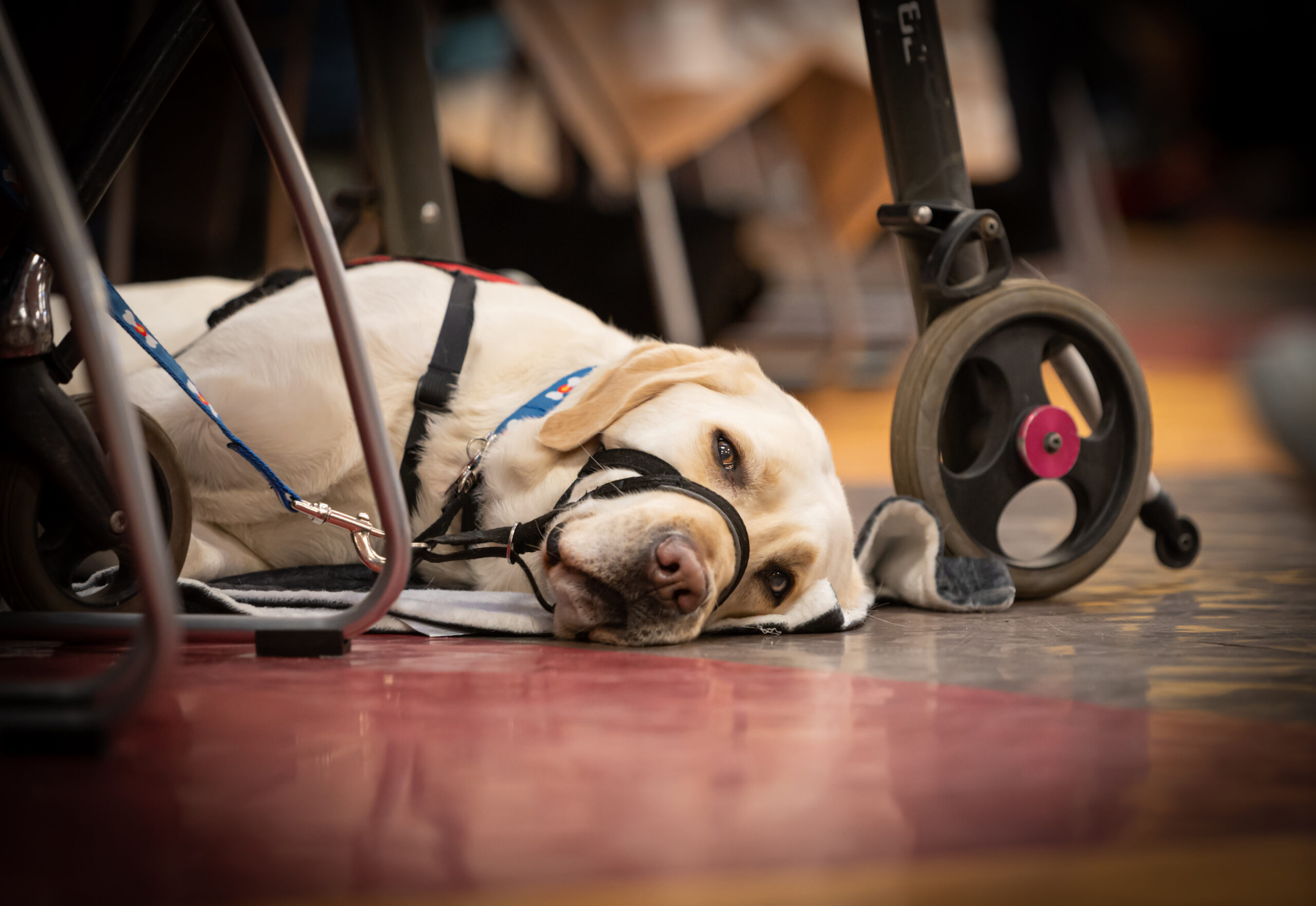
- Clear floor space near tables for mobility aids or service animals.
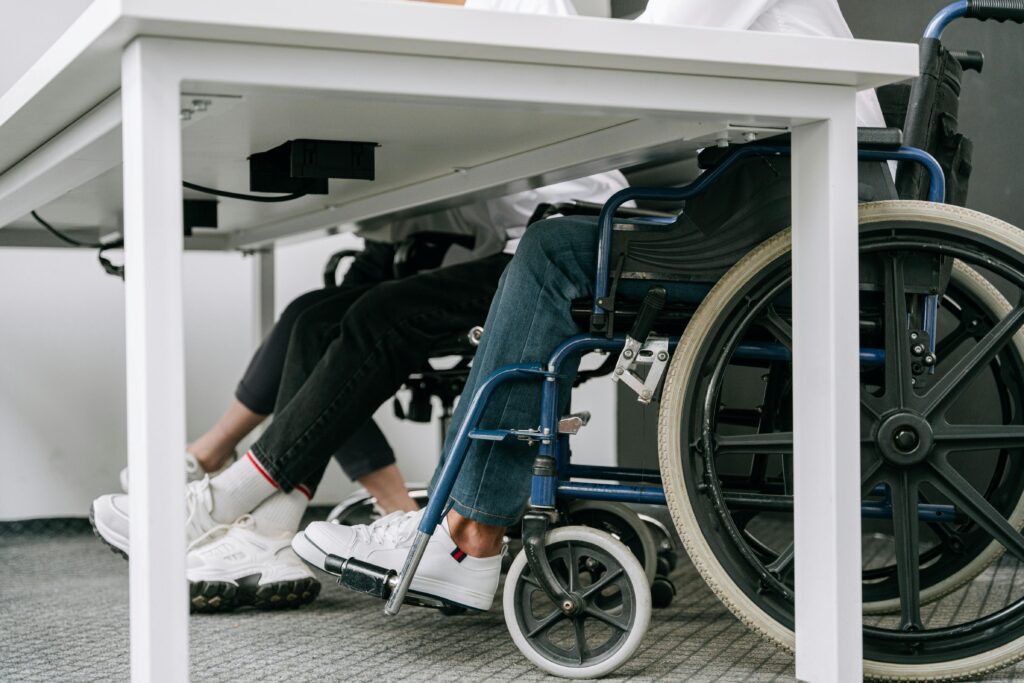
- Consistent table heights that accommodate different mobility devices.
Asking guests about their seating needs—and listening attentively—helps build trust, comfort, and a positive dining experience.
FAQ: Seating Accessibility Tips
Why is accessible seating important in dining spaces?
Accessible seating ensures that all guests, regardless of mobility needs, can dine comfortably and safely. It also signals respect and inclusivity, reducing anxiety or physical strain for diners who use mobility aids or have support needs.
What makes a chair accessible or comfortable for many guests?
Many diners prefer stable, armless chairs, as they offer flexibility for getting in and out, especially for those with limited mobility. Chairs with supportive backs can help guests who need additional stability.
How should restaurants accommodate wheelchair users?
A wheelchair-accessible table should have:
- Knee clearance underneath the table.
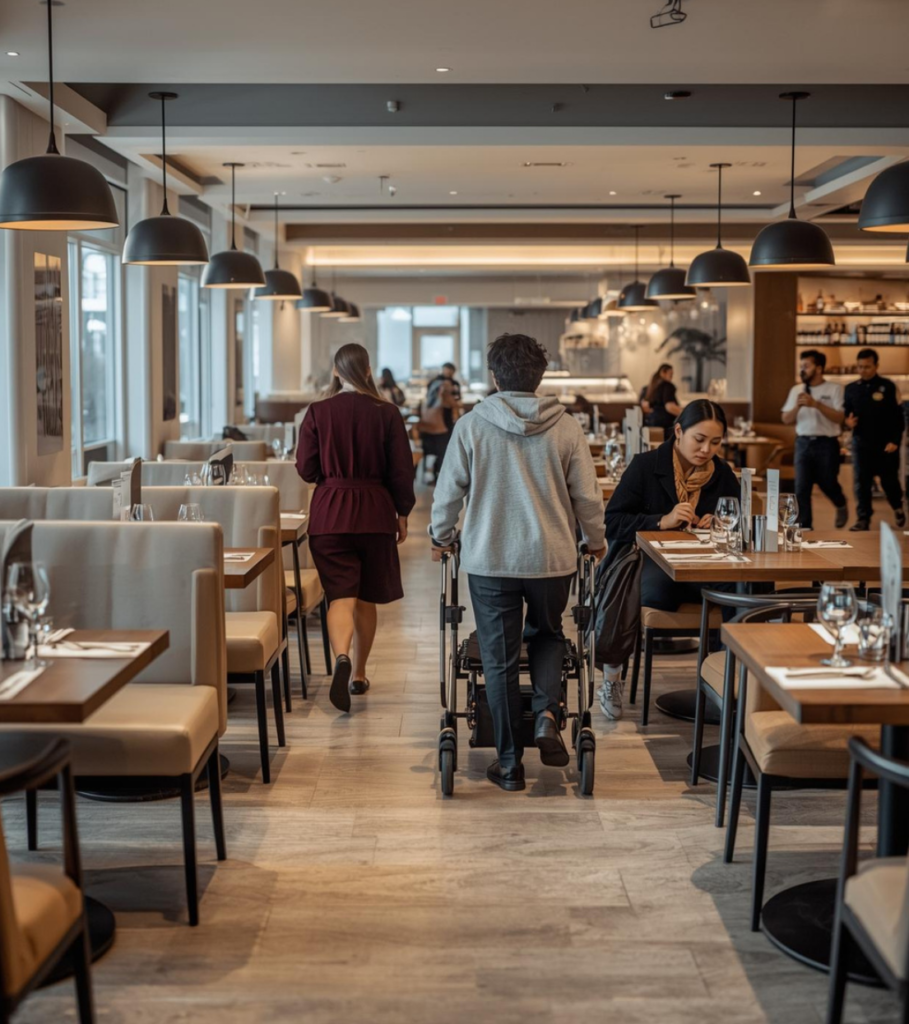
- A clear, unobstructed path to the seating area.
- A space that does not require moving furniture when the guest arrives.
Ideally, accessible spots should be integrated throughout the restaurant, not isolated in a corner
Should a restaurant offer multiple seating options?
Absolutely. Offering low-back chairs, high-back chairs, booths, and open seating gives guests the freedom to choose what feels most supportive for them. Not all disabilities are visible, so variety reduces barriers without requiring guests to disclose personal information.
Do service animals impact seating considerations?
Yes. Guests with service animals may need extra floor space beside or under the table. Ensuring that aisles are wide and uncluttered helps service animals stay comfortably positioned without blocking pathways.
How can staff help ensure seating works for each guest?
The best approach is to ask respectfully:
“Is there a type of seating that works best for you today?”
This opens the conversation without assumptions and allows guests to share their preferences.
What type of seating makes dining more comfortable for you or someone you know? Let us know in the comments below or email us.
DineAbiliti
Making Dining Accessible for Everyone
Empowering people with disabilities to find, share, and improve restaurant accessibility.
Our Mission & Vision
DineAbiliti aggregates firsthand restaurant reviews focused on accessibility—informed by people with disabilities, for people with disabilities.
Helping patrons plan visits with confidence and helping eateries improve their facilities.